Fire Cabinets: What to Confirm Before Ordering
Cabinet inquiries turn on two facts: the cabinet style and the items the cabinet must hold. This guide covers both, and what to confirm before ordering.
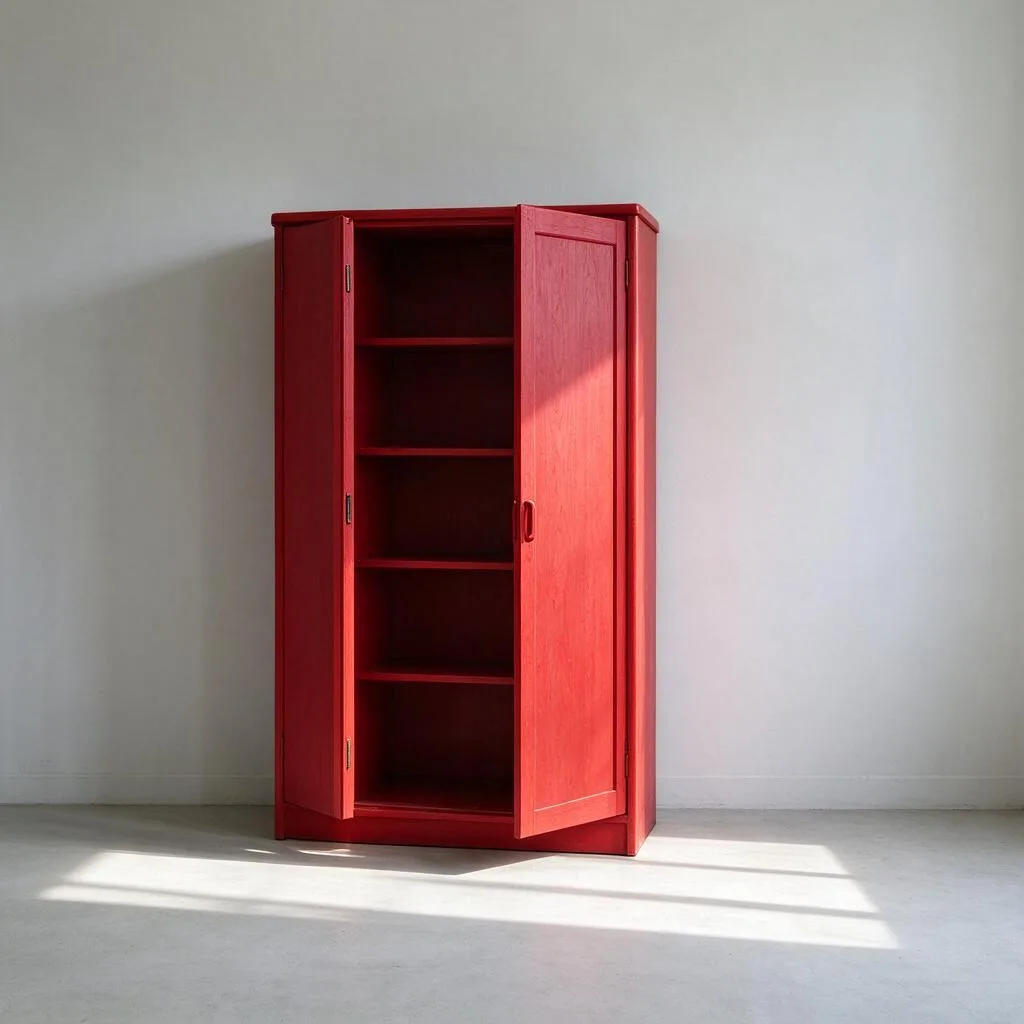
Cabinet styles as inquiry labels
Cabinet styles appear in buyer searches as distinct labels: extinguisher cabinets, hose cabinets, recessed cabinets and surface mounting styles, each marking its own group of lines. Treat each style as a separate label, even when two styles sit on the same list, because merging styles hides the quantities that belong to each style. Write each style group under its own label heading, put quantities beside each item inside the group, and state the mounting style you need in your inquiry.
What the cabinet must hold
The contents note matters as much as the style note. A cabinet line should state whether the cabinet must hold a hose, a reel, an extinguisher, or more than one of these, because a cabinet without a contents note forces the reader to guess what belongs inside it. Write the contents note beside the cabinet line, not in a separate section, so the cabinet and its contents stay together on the list.
Extinguisher cabinets on a list
Extinguisher cabinet lines carry three facts: the cabinet style, the quantity, and the extinguisher label the cabinet belongs with. Write each cabinet item on its own line, put quantities beside each item, and state the extinguisher label beside the cabinet line where one applies. A cabinet list written this way can be counted line by line, and a cabinet line missing its extinguisher note reads as a cabinet without a purpose.
Hose cabinets on a list
Hose cabinet lines carry three facts: the cabinet style, the quantity, and the hose or reel the cabinet belongs with. Write each cabinet item on its own line, put quantities beside each item, and state whether the cabinet must hold a hose, a reel, or both. A hose cabinet line without that note forces the reader to guess, and a guess written into a list becomes a second list when the guess turns out wrong.
Recessed cabinets on a list
Recessed cabinets appear in buyer searches as a distinct cabinet style, and recessed lines belong under a recessed heading, apart from surface mounting lines. State the recessed style beside each cabinet item, and state the installation environment in your inquiry, so the list can be read against the setting the cabinet belongs to. A recessed line filed under a general cabinet heading hides the style fact that the buyer took care to name.
Surface mounting on a list
Surface mounting appears in buyer searches as a cabinet style label alongside recessed mounting, and surface lines belong under their own heading. State the surface mounting style beside each cabinet item, with quantities, and keep surface lines apart from recessed lines even when both styles sit on the same list. A list that mixes mounting styles inside one group cannot be counted by style, and counting by style is how a cabinet list gets checked.
Reading a cabinet list back
Read the cabinet list back line by line, and check three things on each line: the style reads the same as the matching page, the contents note sits beside the cabinet line, and the quantity sits beside the item. A list that passes that check can be read without follow-up questions about what each line means, and a list that fails it should be fixed before sending, because a correction after sending costs a second round of reading for the whole list.
Common cabinet list mistakes
Three mistakes recur in cabinet lists. The first is a style written from memory instead of copied from the matching page, which creates a style label the reader must guess at. The second is a contents note missing from a cabinet line, which leaves the cabinet without a stated purpose. The third is a list with no destination market and no required standards, which leaves the reader without the two facts that frame the whole order. Each mistake is cheap to fix before sending and costly to fix after.
Confirming before ordering
Confirm the cabinet style required for the setting with your local fire-safety authority before ordering, and put the confirmation question beside the cabinet group it belongs to. A question tied to a group gets read with that group, while a question floating at the end of a list gets read apart from the groups it belongs to. Keep any confirmation received with the quote, filed beside the list it belongs to.
A short worked shape
A workable cabinet list shape looks like this in words: a heading naming the setting, cabinet lines grouped by style with quantities and contents notes, extinguisher or hose lines beside the cabinet lines they belong with, and the destination market and required standards at the head of the list. No line mixes styles, no cabinet line lacks a contents note, and every line carries a quantity.
Filing the list with the inquiry
File the finished list beside the inquiry it belongs to, so the list and the inquiry stay together from the first reading onward. A list filed apart from its inquiry gets read apart from the questions it covers, and a list filed with its inquiry gets read with those questions beside it. Keep the destination market and the required standards on the list itself, not in a separate note, so the filed copy carries the same framing facts as the sent copy. When a later reader opens the filed copy, the reader should find the list, the market fact and the requirement fact in one place, without opening a second document to recover facts that belong on the list.
Checking the list a second time
Check the list a second time after a pause, and read it as a stranger would: each line on its own, each group under its own heading, each quantity beside its item. A second reading catches the label copied from memory, the quantity missing from a line, and the accessory line filed apart from its main item — the same three mistakes that recur across buyer lists. Fix each catch before sending, and read the fixed lines once more, because a fix that introduces a fresh mistake costs the same second round of reading as the mistake it replaced.
What to include in your inquiry
Send your item list and quantities for a quote, and ask for the minimum order quantity and lead time before you order. Add the destination market and the required standards for the order, and keep any confirmation received with the quote.
Related pages
Send an inquiry
Send your fire cabinet item list with quantities for a quote.